
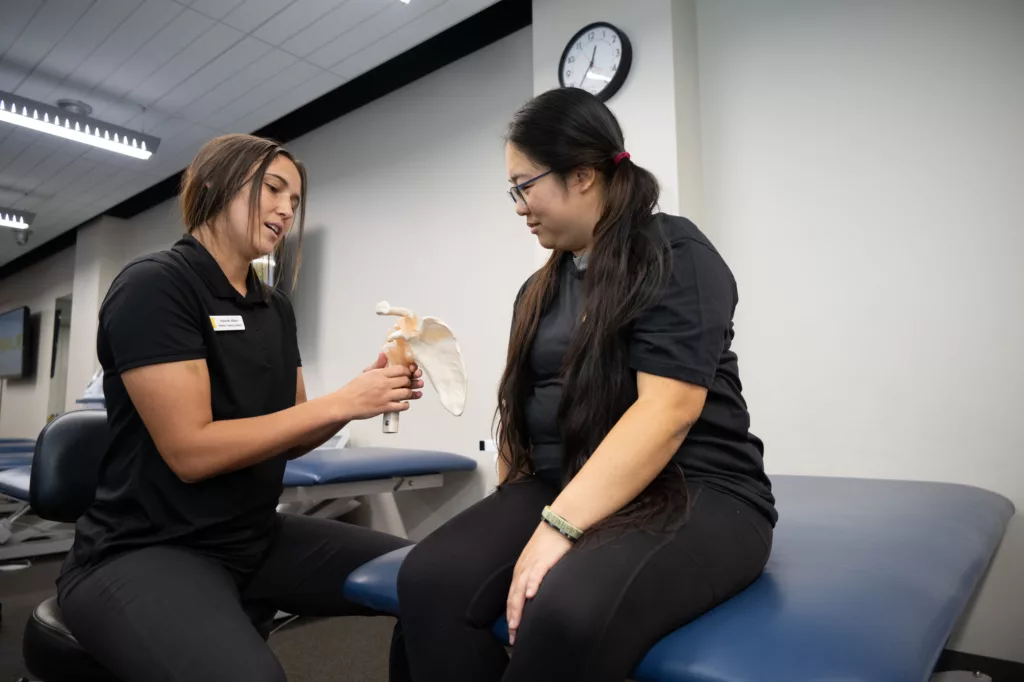
Not long ago, women in athletic training were the exception rather than the norm. Today, they make up a growing and influential part of the profession.
The presence of women in athletic training reflects broader changes in sports, healthcare, and education. From expanded opportunities created by Title IX to increasing visibility in professional and collegiate sports, female athletic trainers have reshaped a field once dominated by men.
Yet despite this progress, women athletic trainers continue to face barriers related to leadership, pay equity, work-life balance, and long-term retention.
Understanding the history, challenges, and future of women in athletic training illuminates how the profession continues to evolve. It also highlights why representation, mentorship, and institutional support matter. That’s not just for athletic trainers, but for the athletes and patients they serve.
In this article, we’ll explore:
- How common women are in athletic training today
- Key challenges female athletic trainers continue to face
- Trailblazing women who helped shape the profession
- The benefits of greater gender diversity in athletic training
- Strategies for supporting and empowering future women athletic trainers
To understand where the profession is headed, it helps to begin with how women first entered the field.
The Rise of Female Athletic Trainers
Athletic training did not begin as an inclusive profession. When the National Athletic Trainers’ Association (NATA) was founded in 1950, women were excluded from membership for more than two decades.
Early athletic training education, leadership roles, and professional opportunities were largely inaccessible to women, shaping a profession dominated by men. This exclusion shaped not only who entered the field, but who advanced into leadership and decision-making positions.
Title IX and the Opening of Opportunity
A major shift occurred in 1972 with the passage of Title IX. This federal legislation required educational institutions to provide equal access to athletic opportunities, facilities, and resources for male and female athletes. While Title IX is often associated with increased participation, its impact extended well beyond competition.
As opportunities for women in sport expanded, interest in careers supporting athletics grew as well. Athletic training emerged as a pathway for women to engage in sports medicine and athlete care.
That same year, Sherry Bagagian became the first woman certified by NATA, followed closely by Gail Weldon, whose contributions to athletic training education and mentorship remain influential today. Weldon’s legacy is recognized through the NATA Gail Weldon Award of Excellence, which honors athletic trainers who demonstrate a commitment to mentoring, professional development, and advancing care for women.
These early trailblazers helped open doors for future generations of women athletic trainers. While access to the profession improved, their experiences also revealed structural challenges that women continue to face within athletic training today.
Challenges Facing Female Athletic Trainers
While opportunities for women in athletic training have expanded significantly, progress has not been without obstacles.
Many female athletic trainers continue to face structural and cultural barriers that mirror challenges seen across sports and healthcare professions. These challenges can affect career advancement, retention, and long-term satisfaction within the field.
Coaching and Professional Inequality
Title IX created new opportunities for women in athletics, but it also produced unexpected shifts in leadership. Prior to its passage, approximately 90% of coaches for women’s collegiate teams were women. By 1990, that number had dropped to less than half.
As women’s sports gained visibility and funding, coaching positions became more competitive and financially attractive, leading more men to apply for and secure those roles. This shift did not occur in men’s sports, where coaching positions have remained overwhelmingly male-dominated.
Similar patterns have appeared across athletic departments, influencing professional dynamics for female athletic trainers working within these systems.
Leadership Gaps in Athletic Training
Although women now represent a majority of certified athletic trainers (about 55% of members according to the National Athletic Trainers’ Association), they remain underrepresented in leadership and administrative roles.
There are multiple contributing factors, including organizational culture, gender bias, and limited access to mentorship and leadership development.
Personal considerations such as work-life balance are often cited, but these challenges are deeply tied to broader expectations around caregiving and professional availability. Leadership roles in athletic training frequently require long hours, travel, and schedule flexibility, which can disproportionately affect women.
Salary Disparities
Gender-based pay inequity remains a persistent issue in athletic training. According to recent research, women athletic trainers continue to earn less than their male counterparts.
Between 2016 and 2018, the salary gap showed signs of narrowing as women’s average salaries increased by more than $3,000, compared to an approximate $1,800 increase for men. However, from 2018 to 2021, that trend reversed.
During this period, men’s average salaries increased by nearly $6,500, while women’s salaries rose by approximately $4,100. That results in an average salary disparity of more than $11,000.
Retention and Burnout
Retention remains a concern within athletic training, with burnout frequently cited as a contributing factor. Research shows that female athletic trainers report higher levels of personal and overall burnout than their male counterparts, particularly in settings with long hours and limited flexibility.
These findings align with broader healthcare research, which links higher burnout rates among women to a combination of workplace demands and societal factors, including caregiving responsibilities and work–life conflict.
Inspiring Female Athletic Trainers
As more women enter leadership roles in athletic training, we also recognize the trailblazers who helped expand opportunities within the profession.
These women helped shape a profession that continues to evolve. Their careers highlight how increased representation strengthens athletic training, expands leadership pathways, and improves care across athletic populations.
Ariko Iso
Ariko Iso made history as the first full-time female athletic trainer in the NFL. She spent nine seasons with the Pittsburgh Steelers in the early 2000s and was part of two Super Bowl championship teams. Her presence helped open the door for women athletic trainers in professional football.
Julie Max
Julie Max was one of only a small number of female head athletic trainers in Division I athletics before her retirement in 2017. In 2000, she became the first woman to serve as president of the National Athletic Trainers’ Association, completing two presidential terms. She was inducted into the NATA Hall of Fame in 2007.
Marjorie Albohm
Marjorie Albohm was among the earliest women to earn athletic training certification. She held key medical roles at Olympic Games and trials throughout the 1980s and 1990s and remains a respected lecturer on topics related to athletic training and sports medicine.
How to Empower Women in Athletic Training
While women athletic trainers continue to face systemic challenges, there are clear steps institutions and organizations can take to support equity, retention, and long-term professional growth.
Expand Mentorship Opportunities
Formal mentorship programs help women entering athletic training build confidence, navigate career decisions, and prepare for leadership roles.
Access to mentors can provide guidance that is often unavailable through informal networks alone.
Improve Access to Leadership Roles
Addressing organizational barriers, such as informal “good old boys” networks, can make leadership pathways more transparent and accessible.
Clear criteria for advancement and leadership development opportunities help reduce structural inequities.
Support Work–Life Balance
Long hours and inflexible schedules can make career sustainability difficult.
When possible, offering flexible work arrangements, family-friendly policies, or childcare support can improve retention and reduce burnout among women athletic trainers.
Strengthen Professional Networks
Creating opportunities for women to connect, collaborate, and share resources supports professional growth and peer support.
Strong networks can help women navigate challenges, pursue advancement, and remain engaged in the profession.
Frequently Asked Questions About Women in Athletic Training
Here are common questions about women in athletic training.
How Common Are Women in Athletic Training?
Women now make up a slight majority of certified athletic trainers in the United States and represent more than half of the profession.
This marks a significant shift from the field’s early history, when athletic training was almost exclusively male. Increased access to education and professional opportunities has played a major role in this change.
What Challenges Do Female Athletic Trainers Face?
Female athletic trainers continue to face challenges related to leadership access, salary disparities, work-life balance, and burnout. Long hours, travel demands, and limited flexibility can make career sustainability difficult.
These challenges are often shaped by broader organizational and cultural factors within sports and healthcare settings, rather than individual ability or performance.
What Are the Benefits of Having More Women in Athletic Training?
Greater representation of women in athletic training supports diversity in leadership and decision-making. It also expands mentorship opportunities for students and early-career professionals.
From a patient-care perspective, diverse healthcare teams can improve communication, trust, and understanding across athletic populations.
How Can Aspiring Female Athletic Trainers Succeed in the Profession?
Aspiring female athletic trainers benefit from early mentorship, professional networking, and exposure to a variety of clinical settings. Seeking leadership development opportunities can also help build confidence and long-term career momentum.
Advocating for clear expectations, boundaries, and work-life balance is an important part of sustaining a career in athletic training.
Are There Mentorship Opportunities for Women in Athletic Training?
Yes. Many athletic training programs, professional organizations, and athletic departments offer formal and informal mentorship opportunities for women.
These relationships can provide guidance on career decisions, leadership pathways, and navigating challenges unique to the profession.
How Is the Field of Athletic Training Changing for Women Today?
Athletic training continues to evolve as more women enter leadership roles, professional sports environments, and academic positions. Increased awareness of equity, retention, and burnout has also prompted important conversations across the profession.
While challenges remain, ongoing research and institutional support are helping create more inclusive and sustainable career pathways for women in athletic training.
Looking Ahead: Strengthening Diversity in Athletic Training
As women continue to expand their presence in athletic training, the conversation around diversity broadens. Gender representation matters, but so do race and ethnicity, sexual orientation, religion, socioeconomic background, and lived experience.
A profession that reflects the diversity of the athletes and patients it serves is better positioned to deliver informed, compassionate care.
At the University of Idaho, athletic training education emphasizes patient-centered care that respects multiple perspectives and worldviews. For those interested in contributing to a more inclusive and forward-looking profession, the path begins with education and engagement.
To learn more about athletic training programs or to connect with admissions, reach out. Let’s continue the conversation.