
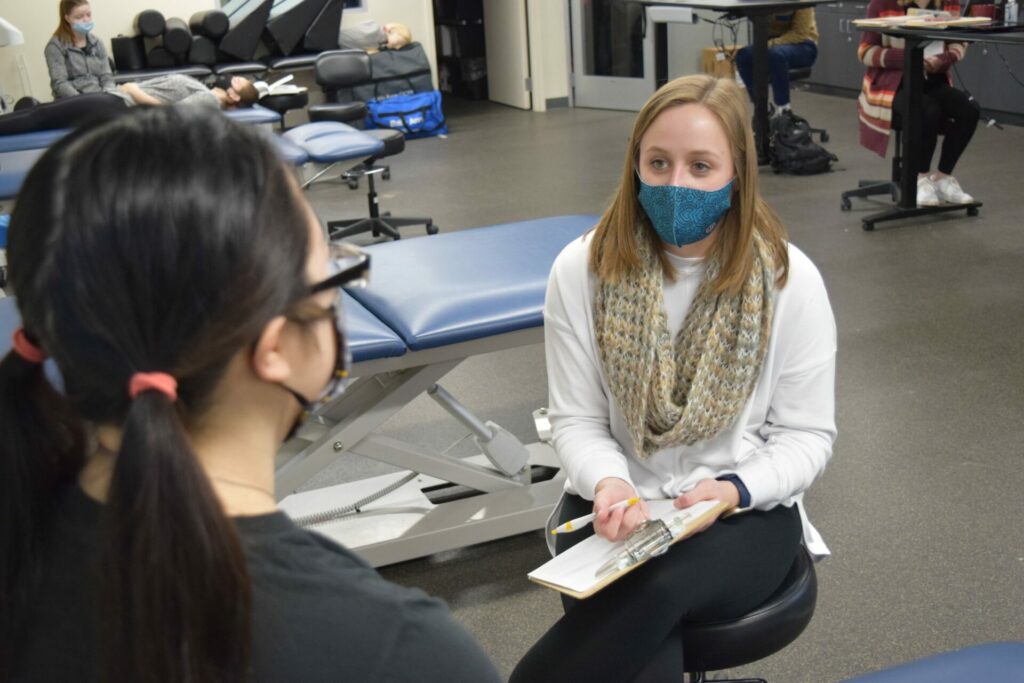
An athletic trainer can tape an ankle perfectly and still lose trust with a single poorly handled conversation.
Communication in athletic training is not a “soft skill.” It is a clinical skill that directly shapes athlete care, recovery outcomes, and professional relationships.
In sports medicine settings, effective communication in sports determines how well athletes understand injuries, follow care plans, and stay engaged throughout recovery. It also affects how athletic trainers collaborate with coaches, physicians, and parents under pressure.
At the University of Idaho, our athletic training department emphasizes communication as a core competency for students, not just injury evaluation and treatment. The importance of communication in sport becomes most visible during difficult moments, such as explaining long recovery timelines or season-ending diagnoses.
To support effective communication during these conversations, many healthcare professionals rely on structured communication frameworks. One widely used model is the SPIKES framework, which provides a clear, step-by-step approach for delivering challenging information with clarity and empathy.
In this article, you’ll learn:
- Why communication is essential to athletic training and athlete outcomes
- How structured communication improves trust and adherence to care plans
- What the SPIKES framework is and how athletic trainers can apply it
- Six practical steps for handling difficult conversations in sports medicine
Before exploring these effective communication strategies in athletic training, it helps to start with the basics.
What Is Athletic Training?
Athletic training is a specialized healthcare profession focused on the prevention, evaluation, treatment, and rehabilitation of injuries and medical conditions related to physical activity.
According to the National Athletic Trainers’ Association (NATA), athletic trainers are highly qualified, multi-skilled healthcare professionals who collaborate with physicians to provide preventive services, emergency care, clinical diagnosis, therapeutic intervention, and rehabilitation.
Athletic trainers work in a wide range of settings, including schools, colleges, professional sports, healthcare clinics, military environments, and industrial workplaces.
Why Communication Is a Core Skill in Athletic Training
While athletic trainers’ responsibilities vary by setting, certain skills remain universal. One of the most important (and most overlooked) is effective communication.
Athletic trainers regularly communicate with athletes, patients, coaches, parents, physicians, and other healthcare professionals. In fast-paced sports medicine environments, communication in sports directly influences care coordination, decision-making, and trust.
Strong communication skills help athletic trainers explain injuries clearly, manage expectations, support informed decision-making, and advocate for patient well-being. Without clear and empathetic communication, even strong clinical expertise can fall short in delivering effective care.
Why Is Communication Important for Athletic Trainers?
Communication is central to everything athletic trainers do, from injury evaluation to long-term recovery planning.
Athletic trainers often serve as the primary point of contact for athletes navigating injury, pain, uncertainty, and return-to-play decisions. In these moments, effective communication in sports becomes just as important as clinical skill.
Unlike many healthcare professionals, athletic trainers typically work with patients over extended periods of time. This longitudinal care creates relationships built on trust, clarity, and consistency.
With clear communication, athletes are more likely to understand their condition, follow care plans, and remain engaged in recovery. Otherwise, misunderstandings quickly undermine care and confidence.
Communication Beyond the Sidelines
There is a common perception that communication in sport revolves around motivation, encouragement, and sideline energy. While those moments exist, athletic trainers also guide difficult and emotionally charged conversations.
These may include explaining setbacks, adjusting recovery timelines, or delivering news that significantly impacts an athlete’s season or long-term participation. For athletic training students and early-career professionals, developing effective communication skills requires intentional practice.
One of the most challenging tasks is delivering bad news in a way that is honest, empathetic, and clear. Structured communication strategies can help athletic trainers navigate these moments while maintaining trust and supporting athlete well-being.
To support these conversations, many healthcare professionals rely on established communication frameworks. One of the most widely used is the SPIKES model.
What Is SPIKES and How Can Athletic Trainers Use This Tool?
Difficult conversations are unavoidable in athletic training. Whether discussing a prolonged recovery, a missed season, or a change in return-to-play expectations, how information is delivered can shape an athlete’s understanding, trust, and response.
To support effective communication during these moments, many healthcare professionals rely on structured frameworks rather than improvisation. One widely used approach is the SPIKES framework, developed by Dr. Walter F. Baile and Dr. Robert Buckman to guide the delivery of difficult news in clinical settings.
Originally developed to guide the delivery of bad news in healthcare settings, SPIKES keeps communication clear, patient-centered, and emotionally supportive. In athletic training environments, where conversations often happen under pressure and emotion, the SPIKES model offers a practical structure for navigating challenging discussions.
SPIKES is a mnemonic that stands for:
- S – Setting
- P – Perception
- I – Invitation
- K – Knowledge
- E – Empathy
- S – Summary and Strategy
Below is a closer look at how each step applies to communication in athletic training.
Setting
Where and how a conversation takes place can significantly influence how information is received. Whenever possible, difficult discussions should occur in a private, distraction-free environment.
Conversations held on a sideline, in a busy gym, or on a factory floor can introduce interruptions, limit privacy, and increase stress.
Key considerations include:
- Location: Choose a quiet, private space with minimal distractions.
- Privacy: Limit the presence of individuals who do not need to be involved.
- Participants: Confirm who the patient wants present before beginning the conversation.
- Body language: Sit at eye level, face the patient, and remove physical barriers.
A well-considered setting supports clear, respectful, and effective communication.
Perception
Misunderstandings often arise when assumptions replace clarification. Before sharing new information, athletic trainers should assess how the patient currently understands their injury or condition.
Establishing the patient’s perception helps determine where to begin the conversation and identifies gaps or misconceptions early. Helpful questions might include:
- What brings you in today?
- What have you been told so far about your injury?
- What do you understand about what’s been happening?
Listening carefully at this stage allows athletic trainers to customize the conversation and avoid overwhelming or confusing the patient.
Invitation
Not every patient wants the same level of detail. After understanding what the patient already knows, the next step is to ask how much additional information they would like to receive.
Some athletes prefer a comprehensive explanation, while others want only essential details. Gaining an invitation to proceed respects patient autonomy and helps guide how information is delivered.
Examples include:
- Would you like to review your imaging results together?
- Are you ready to talk about treatment options?
- Would you like to discuss next steps now?
This step helps align the conversation with the patient’s preferences and readiness.
Knowledge
Sharing difficult news is often the most challenging part of the conversation. Clarity and honesty are critical. Athletic trainers should deliver information in straightforward language, avoiding unnecessary jargon or vague phrasing that may lead to confusion.
Some patients prefer a gradual lead-in, while others appreciate direct communication.
Regardless of style, it is important to pause, allow time for processing, and check for understanding. Asking follow-up questions can help confirm that key points have been understood and clarify any uncertainty.
Empathy
Receiving difficult information can trigger a wide range of emotional responses. After sharing the news, athletic trainers should give space for the patient to react and express concerns. Active listening and emotional acknowledgment are essential at this stage.
Normalizing responses can help patients feel supported, such as:
- It’s natural to feel frustrated.
- This can feel overwhelming.
- It’s okay to be upset right now.
Rather than assuming how someone feels, athletic trainers should focus on listening, validating emotions, and responding with empathy.
Summary and Strategy
The final step is to bring the conversation together with a clear plan. Summarizing key points helps reinforce understanding, while outlining next steps provides direction and reassurance.
This may include:
- Explaining how to reach the athletic trainer or care team with questions
- Identifying warning signs that require follow-up
- Scheduling future appointments or check-ins
Challenging diagnoses can feel isolating. A clear summary and forward-looking strategy help patients feel supported, informed, and connected to their healthcare team.
Frequently Asked Questions About Communication in Athletic Training
Here are common questions about communication in athletic training.
Why Is Communication Important in Athletic Training?
Communication in athletic training directly affects how athletes understand injuries, follow treatment plans, and engage in recovery.
Clear, empathetic communication builds trust, supports informed decision-making, and improves adherence to care. Poor communication can lead to misunderstandings, frustration, and delayed recovery, even when clinical care is sound.
What Are the Most Effective Communication Skills for Athletic Trainers?
Effective communication skills for athletic trainers include active listening, clear explanation of medical information, empathy, and adaptability. Athletic trainers must adjust their communication style based on the athlete’s age, experience, emotional state, and support system.
Structured approaches, such as using communication frameworks, can also improve clarity during difficult conversations.
How Can Athletic Training Students Improve Their Communication Skills?
Athletic training students can improve communication skills through deliberate practice, reflection, and feedback.
Gaining experience in clinical settings, observing experienced practitioners, and role-playing challenging conversations help build confidence. Learning structured communication strategies prepares students for real-world interactions with athletes, coaches, and healthcare teams.
What Are Common Communication Challenges in Athletic Training?
Common communication challenges in athletic training include time pressure, emotional reactions from athletes, conflicting expectations from coaches or parents, and delivering difficult news.
Misunderstandings can also arise when medical information is not explained clearly or when assumptions replace open dialogue.
How Does Communication Impact Athlete Care and Outcomes?
Effective communication in sports medicine supports better athlete outcomes by improving understanding, trust, and follow-through with care plans. Athletes who feel heard and informed are more likely to adhere to rehabilitation programs and report concerns early.
Clear communication also strengthens coordination among healthcare providers and support staff.
What Strategies Help Athletic Trainers Communicate Better With Coaches and Parents?
Clear boundaries, consistent messaging, and transparency help athletic trainers communicate effectively with coaches and parents.
Focusing on shared goals (athlete health and safety) can reduce conflict. Using structured conversations, documenting discussions, and confirming understanding help align expectations and support collaborative decision-making.
Bringing Communication Into Practice
Effective communication is a core responsibility of athletic trainers and a skill that directly shapes athlete care, trust, and recovery outcomes. From routine check-ins to difficult conversations about injury timelines or return-to-play decisions, athletic trainers rely on communication to support understanding, collaboration, and long-term engagement in care.
Developing strong communication skills requires intention, structure, and practice. Frameworks like SPIKES provide athletic trainers and students with practical tools for navigating challenging conversations with clarity and empathy.
For those interested in building these skills as part of a comprehensive athletic training education, the learning continues beyond this discussion. To learn more about athletic training programs at the University of Idaho or to connect with admissions, reach out at ui-at@uidaho.edu.